
Hard drive isn't accessible In Kubuntu, but does appear in Windows 10 #dualboot #partitioning #kubuntu #harddrive #dolphin
#dolphin
Hard drive isn't accessible In Kubuntu, but does appear In Windows 10 #dualboot #partitioning #kubuntu #harddrive #dolphin
Hard Drive Isn't Accessible In Kubuntu, But Does Appear In Windows #dualboot #partitioning #kubuntu #harddrive #dolphin



If I double-click on a .docx file in KDE Dolphin, such that it opens with LibreOffice (which is installed as flatpak), I get an error that the file is not found on disk. Turns out it's because the filename contained a special character ("ä").
I don't even know where to file a bug about this? Candidates are Dolphin, flatpak, LO flatpak manifest, LO itself?

Watercolor Painting of a Dolphin
Join our Mailing Club waiting list here:
https://Annibbie.com
#watercolor
#painting
#art
#dolphin
#artist
#drawing
#aceo
#annibbie
#annibbiellc
#mailing_club #snail_mail_club #printclub
#mailclub #snailmail #miniart #smallart #artprints #atc

Our snorkeling tour is designed to cater to all skill levels, from beginners to advanced snorkelers. Our experienced and certified instructors will guide you through the basics of snorkeling and ensure your safety throughout the tour.
https://www.pirsik.com/tours/t-54236
#Muscat #Oman #dolphin #travel #tours


🔺 🐬 Nintendo, Namco eta Sega taldeek elkarlanean garatutako Triforce txartel nagusirako sortutako bideojokoak emula daitezke orain Dolphin tresnarekin.
Aspaldiko arkade klasikoak daude tartean.

During the rapid technological advancements of the early 1990s, the video game industry was on the cusp of a massive addition - another dimension. With console shenanigans like the Super FX chip giving players a taste of 3D, hype was at an all-time high. But the games released for home consoles were nothing compared to what arcade developers were capable of doing. By employing gigantic budgets and cutting-edge hardware, the arcade gave players a chance to see the future, today.
But the future eventually arrived with the launch of the 5th generation of consoles. All of a sudden, the revolutionary 3D hardware features that were once exclusive to arcades were now available in home consoles. Without next-generation hype pushing players into the arcade, powerful but expensive arcade machines were no longer sustainable to develop. The industry adjusted by moving toward more cost effective solutions, with many turning to the inexpensive, already proven 3D-capable hardware available in 5th gen home consoles.
Rather than turning around the decline of the arcade, the cheaper hardware may have helped accelerate it. There were fewer unique experiences to pull players into the arcade, and previous hit exclusives were now seeing high quality home console ports that allowed them to be enjoyed without munching quarters. When the 6th generation arrived with the Dreamcast and the PlayStation 2, many arcade stalwarts waved the white flag and started to shift their arcade divisions to home console projects, with mixed success.
Sega was among those hit hardest by this era. They produced some of the greatest arcade thrills of the 1990s and enjoyed massive success in the home console market with the Sega Genesis/Mega Drive. But a string of mistakes and miscalculations combined with the slumping arcade industry sent them to the brink of bankruptcy. By 2002, the Dreamcast had been soundly defeated by the launch of the PlayStation 2, and Sega began porting some of their hits to their former rivals’ hardware just to stay afloat.
The home market was lost, but the languishing arcade scene presented Sega with an opportunity. They still had legendary arcade development teams, and if Sega could leverage them to produce a wave of arcade hits, they would be in a position to dominate a new era of arcades when most others were changing gears. There was just one problem: Sega didn’t have the resources that they once did. If they were going to do this, they needed some help.
And so they did something that would have been considered unthinkable just five years prior. Sega teamed up with Nintendo to develop a GameCube-based arcade platform. Bolstering their ranks was Namco, another coin-op stalwart with tons of arcade veterans.
Three companies, one mission: Triforce.

Kalina (top) and her deceased calves Keto (in front) and Skyla (behind)
#orca #killerwhale #whale #dolphin #cetacean #ocean #sea #marinelife #animalart #art #artwork #artist #traditionalart #draw #drawing #drawings #drawingart #prismacolor #prismacolorpencils #pencildrawing #pencilart #coloredpencilart #trend #like #share #comment #cute #kawaii #love
#orca #killerwhale #whale #dolphin #cetacean #ocean #sea #marinelife #animalart #art #artwork #artist #traditionalart #draw #drawing #drawings #drawingart #prismacolor #prismacolorpencils #pencildrawing #pencilart #coloredpencilart #trend #like #share #comment #cute #kawaii #love

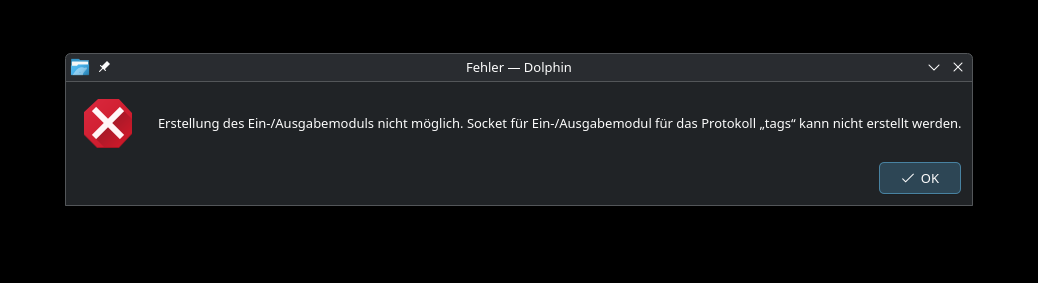
Kennt sich jemand mit #KDE #Dolphin aus und kann mir sagen was da passiert?
Kommt vor wenn ich aus anderer Anwendung "Ordner öffnen" auswähle.
Das geöffnete Dolphin Fenster bringt dann folgende Fehlermeldung:
Erstellung des Ein-/Ausgabemoduls nicht möglich. Socket für Ein-/Ausgabemodul für das Protokoll „file“ kann nicht erstellt werden.


I <3 FOSS software. These are my daily drivers:
My PCs: #Arch, #linux, #kdelinux, #kde #plasma, #kmail, #librewolf, #darktable, #gwenview, #dolphin, #konsole, #okular, #kate, #kdeconnect ... And LOTS of stuff under the hood, holding all that togeather!
My (fair-)phone: #e_os, lots and lots of #fossify lots of #Nextcloud #fdroid. And a phone running #postmarketos and #plasmamobile.
Maps and navigation: #openstreetmap, #comaps
Selfhosted: #yunohost with a few apps,, #nextcloud
SoMe: #fediverse, #mastodon, #pixelfed, #friendica
Thank you all you insanely nice and competent people making all that available for us all!


طرح Dolphin Surf في مصر يضع BYD في سباق مباشر مع 3 منافسين
https://misryoum.com/cars/trh-dolphin-surf-msr-yda-byd-sbaq-mbashr-mnafsyn/
كتب - محمد جمال: 01:07 م 14/02/2026 تعديل في 01:19 م أعلنت شركة "مان دريم" ManDream، الوكيل المحلي الحصري لعلامة BYD، عن تقديم السيارة الكهربائية الجديدة Dolphin Surf فئة الهاتشباك...
#طرح #Dolphin #Surf #مصر #يضع #BYD #سباق #مباشر #منافسين #منصة_مصر_اليوم_الاخبارية #misryoum_com

😮 Ho Tradito GNOME? Il Mio Passaggio Inaspettato a KDE! 🐧
Non pensavo sarebbe mai successo, eppure eccoci qui. Dopo anni passati nel minimalismo di GNOME, ho deciso di fare il grande salto e trasferirmi (quasi per caso) su KDE Plasma. In questo video vi racconto cosa è successo.
https://youtu.be/F1BjY4NQWHA?si=XDD1Y-WkdrhYDdaE
#opensourceitalia #unolinux #gnulinux #distro #ita #opensource #Linux #KDE #Plasma #GNOME #OpenSource #DesktopEnvironment #LinuxSetup #TechSwitch #Customization #Dolphin #LinuxItaliano


D is for #Dolphin 💚
Join us for #ArtABCs; the best art challenge on the whole internet.
No AI, Yes alt text, CW as needed
https://dotart.blog/karin-wanderer-learns/d-is-for-dazzling
#MastoArt #Art #KidLitArt #Watercolor #Watercolour #Nature #MarineLife

Client Info
Server: https://mastodon.social
Version: 2025.07
Repository: https://github.com/cyevgeniy/lmst