
Winter vacation, visit to El Charco del Ingenio Botanical Garden and Natural Reserve. This is a huge series of posts because there was so much to see. Welcome to 100+ cactus shots.
San Miguel de Allende, Guanajuato, Mexico
2026
#DesertPlant #AridLandscape #NativeFlora #CactusFamily #OutdoorGardening
#nativeFlora


This is potentially a game-changer when it comes to dealing with #Knotweed (which just laughs at #Glyphosate)!
#MeshTech: A New Strategy for Managing Knotweed
February 24, 2026
"Knotweed (#Reynoutria spp.) is a severely invasive plant originating from Eastern Asia. Introduced to the East Coast in the late 1800s as an ornamental, knotweed has since become ubiquitous across North America, reaching over 40 US states and 8 Canadian provinces. Knotweed has proven extremely detrimental to a wide variety of ecosystems in which it has established. Forming tall, dense thickets, knotweed shades out native plants, preventing them from growing. Additionally, knotweed is #allelopathic, meaning it releases organic compounds into the soil that inhibits the growth of native plant species.
Knotweed also increases erosion along streams and riverbanks. By shading out native groundcover species and reducing the diverse root reinforcement provided by native species in riparian zones, riverbanks lose considerably more soil when infested with stands of knotweed (Hammer 2019, Matte et al. 2021). This erosion can increase turbidity of waterways, potentially affecting fish and other aquatic species (Henley et al. 2000). The reduction of native plants in riparian zones paired with winter dieback of knotweed stems also leaves riverbanks extremely vulnerable to winter and early spring flooding. This degradation of the riparian area creates a feedback loop in which floods carry knotweed propagules downstream, where they can colonize and increase erosion in new areas (Colleran et al. 2020).
Historically, management of knotweed has been extremely time-and-resource intensive. Large populations require years of consistent treatment, often combining mechanical and chemical approaches to be effective. This commitment to diligent, multi-year mechanical treatment can be discouraging and can lead many to abandon treatment plans before completion. However, a new knotweed management technique could reduce labor inputs.
Developed by Dr. Eric Donnelly, the MeshTech management technique has produced promising results at managing the growth and spread of knotweed while dramatically reducing labor inputs. This method involves cutting knotweed stems down to the soil level and laying -inch galvanized steel hardware fencing over the cut stems. When knotweed resprouts, it grows through the openings in the fencing. As stems mature and thicken, the metal fencing will begin to cut into the stems.
The knotweed will continue to grow through the fencing, effectively girdling itself at its base. This method aims to impact knotweed's nutrient pathways while also damaging the structural integrity of the plant. Alone, this method cannot eradicate knotweed populations. However, the MeshTech method can potentially reduce the health and vigor of knotweed, thus reducing the amount of cutting required in a growing season and the rate of spread in an area.
At the #PleasantHillPreserve in #ScarboroughME, the #ScarboroughLandTrust (#SLT) has begun implementing the MeshTech method to manage a portion of their knotweed infestation. An effort led by SLTs #Stewardship Director Sami Wolf and Nathan Hjort, owner of Absolutely Complete Property Services, initial results indicate that the hardware fencing is proving successful. The knotweed forced to grow through the hardware fencing at Pleasant Hill Preserve showed clear signs of strain. Stems demonstrated significantly stunted growth and had even begun flowering early, an indication that a plant is under stress. While knotweed struggled to grow through the -inch holes, #NativeFlora had begun to sprout up through the hardware fencing. Other knotweed management practices, such as #tarping or mowing, often discourage the growth of native species in a management area. Over time, the presence of native flora could provide an extra level of #BioticResistance that could help slow the growth of knotweed and help kickstart #NativeRevegetation efforts. Eventually, supplemental plantings of native woody species can take place by cutting openings in the fence to allow for these larger species to grow. The fence can also be easily staked down, preventing knotweed or moving water from moving it out of place.
It is important to note that knotweed is a resilient plant and there is no single management action alone that will completely eliminate a population. The most effective knotweed management strategies use creative combinations of multiple approaches. Knotweed is a rhizomatous species, meaning it has an extensive, underground nutrient storage system made up of horizontal rhizomes that store nutrients. Draining this underground nutrient storage is the key to effectively managing an infestation. Consistent cutting of knotweed forces the plant to exhaust its below ground resources. By combining a cutting regimen with the MeshTech method, land managers could potentially see a significant reduction in their management timeline.
The effectiveness of this method provides promising implications for the future of knotweed management in Maine. Paired with consistent management, the MeshTech method could provide Maine with another tool to mitigate the spread of knotweed and reduce our reliance on chemical treatments."
Source:
https://www.maine.gov/dacf/about/news/news.shtml?id=13343931
#SolarPunkSunday #NaturalSolutions #NoHerbicides #HerbicideAlternatives #JapaneseKnotweed #LandTrusts #Rewilding #NativePlantSpecies #RestoringNativePlantSpecies #InvasiveSpecies #InvasiveSpeciesWeek
#MaineDepartmentOfAgricultureConservationAndForestry
Restoring native grasslands
"In western Victoria's volcanic plains there's 0.5 per cent [of native grasslands] left...The picture across much of southern Australia is almost as bleak. Since European settlement, intensive grazing, agricultural practices and urbanisation have all conspired to obliterate native grasslands.Though now protected by environmental laws, conservationists say remnant grasslands are still being destroyed."
"Natives are usually far less flammable than exotic species."
>>
https://www.abc.net.au/news/2026-02-28/native-grasslands-victoria-endangered-restoration-seed-demand/106391114
#grass #grasslands #endangered #ecosystems #NativeFlora #lawns #fossilfuels
Image:A remnant native grassland at Altona in Melbourne’s west survives beside industrial warehouses. (ABC Landline: Tim Lee)


What would be truly awesome for a site selling "Native seeds" is a lookup where you enter your county, and it returns all the plants they have for sale that are native to your county.

The bees are all over our wild bergamot this summer - often 20 or 30 of them in the clumps at any given time. Our native flower garden has really brought us a lot of happiness.
#silentSunday #bees #bumblebees #wildBergamot #bloomScrolling #flowers #nativePlants #nativeFlowers #nativeFlora #nature
#silentSunday #bees #bumblebees #wildBergamot #bloomScrolling #flowers #nativePlants #nativeFlowers #nativeFlora #nature

Tyrol knapweed (Centaurea nigrescens, Schwärzliche Flockenblume) is a perennial wildflower characterized by its dark purple, thistle-like flower heads and slender, lance-shaped leaves. It commonly grows in meadows and grasslands across Central Europe. This flower is an important nectar source for various pollinators, including bees, butterflies, moths, hoverflies, and beetles. By supporting these insects, it contributes to the overall health and biodiversity of meadow ecosystems. Additionally, it helps maintain soil stability and adds to the floral diversity of natural grasslands. Traditionally, Centaurea nigrescens has been used in folk medicine for its mild anti-inflammatory and digestive properties.
#purple #flower #wildflowers #nativeflora #pollinatorplants #tyrolknapweed #centaurea #centaureanigrescens #flockenblume
#purple #flower #wildflowers #nativeflora #pollinatorplants #tyrolknapweed #centaurea #centaureanigrescens #flockenblume

Bastard Mustard (Rapistrum rugosum, Runzelige Rapsdotter) and Glaucous Goosefoot (Oxybasis glauca, Graugrüne Gänsefuß) are two annual pioneer species commonly found on disturbed, nutrient-rich soils such as field margins, roadsides, and fallow land. Bastard Mustard, with its bright yellow flowers, provides valuable nectar and pollen for wild bees, hoverflies, and other pollinators, supporting biodiversity in agricultural landscapes. Glaucous Goosefoot, recognizable by its bluish-green mealy leaves, plays an important role in early-successional habitats by stabilizing soil and indicating nitrogen-rich conditions.
Both species contribute to the ecological balance in human-influenced environments and offer microhabitats for insects and small wildlife.
#wildplants #wildflowers #nativeflora #pollinatorplants #rapistrumrugosum #oxybasisglauca #bastardmustard #gaensefuss #rapsdotter
Both species contribute to the ecological balance in human-influenced environments and offer microhabitats for insects and small wildlife.
#wildplants #wildflowers #nativeflora #pollinatorplants #rapistrumrugosum #oxybasisglauca #bastardmustard #gaensefuss #rapsdotter


Virginia Waterleaf (Hydrophyllum virginianum) forms large colonies in woodlands and adapts well to gardens. Its flowers range from white to purple, and early-season leaves show pale spots—like water stains, which fade over time.
#NativeFlora #WoodlandPlants #Hydrophyllum #MidwestGardening #PlantID



After two years of growth from seed, Viola pedatifida—commonly known as the Prairie Violet—is flowering in my garden for the first time!
#ViolaPedatifida #PrairieViolet #NativeFlora #PrairiePlants #NativePlantGardening #BotanyInTheGarden #PollinatorSupport #GrowNativePlants #MidwestPrairie #ColdStratification #FromSeedToBloom #Minnesota



Some pretty Ghost Pipes (monotropa uniflora) from last summer 👻🌲☀️ They are a parasitic flower because have no chlorophyll of their own, and they are one of my favorite native flowers in my area.
#nature #pnw #ghostpipe #monotropauniflora #parasiticplants #nativeflora #washington #forest #woodland #flowers #coolplants #gooutside #wildflowers #summersunshine #sunshine #forestfloor
#nature #pnw #ghostpipe #monotropauniflora #parasiticplants #nativeflora #washington #forest #woodland #flowers #coolplants #gooutside #wildflowers #summersunshine #sunshine #forestfloor


#sicilia #sicily #isolafelice #happyisland #italy
#quercia #eucalipto #autoctono #natura #sopravvivenza #biodiversità #incendi #prevenzione #AngeloCarbone #ScienzeAgrarie #ambiente #ecosistema #conservazione #riscaldamentoglobale #eucalyptus #oak #nature #biodiversity #trees #sustainability
#conservation #ecosystem #wildlifehabitat #nativeflora
Quercia contro eucalitto: la natura vuole vincere - Sicilia Agricoltura https://www.siciliaagricoltura.it/2024/08/10/quercia-contro-eucalitto-la-natura-vuole-vincere/
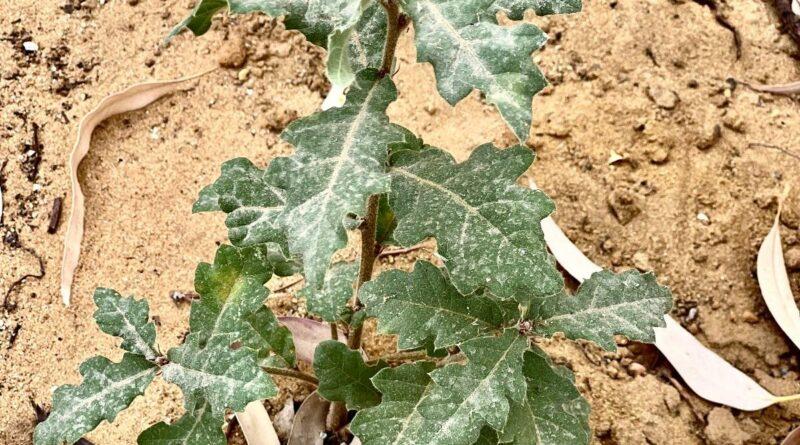

Fascinated by this delicate Viola lanceolata #florida #nativeflora #nativeplants

Invasive species No 1 driver of biodiversity loss in Australia – and feral cats have biggest impact, report finds
"Australasia has been identified as a global hotspot for invasive species. In Australia, invasive species are the number one driver of biodiversity loss"
"Feral cats have the greatest environmental impact..."
"Australia has lost more native mammal species than any other continent, with more than 100 species listed as either extinct or extinct in the wild.'
“This report makes it clear that the Albanese government’s commitment to
‘ n o n e w e x t i n c t i o n s ’ will be no more than a slogan without increased focus and funding needed to prevent the next wave of invasive species."
Lyall Grieve, conservation and biosecurity analyst for the Invasive Species Council
“Invasive species are likely to be a primary driver of 85% of the next round of predicted vertebrate extinctions over the next 20 years"
https://www.theguardian.com/environment/2023/sep/04/invasive-species-no-1-driver-of-biodiversity-loss-in-australia-and-feral-cats-have-biggest-impact-report-finds
#NativeFlora #NativeFauna #biodiversity #FireAnts #pests #weeds #cats #pets #biosecurity #pathogens #trade #sprawl #extinction makers

Attempting to gradually reforest my yard, by staking and mulching dozens of tiny native saplings before the Mowing Season begins in the next couple of weeks. Here's hoping these fiesty little babies beat the odds and become mature trees.🤞


Microscopic view of some native flower seeds. Berteroa incana. #NativeFlora #BerteroaIncana #Flowers #Seeds #Microscope #Netherlands


I’m kindly asking #nature and #tech enthusiasts to stop junking up the #native hashtag. Try #NativeFlora, #NativeFauna, #ReactNative, #NativeAPIs, plain old #Linux, or a myriad of other options where you pair the lowercase adjective “native” with the noun you are describing. The #Native hashtag is an important tool for #Indigenous folks to stay current and find each other. Migwetth.

Paperbark tree at Kondil wildflower park Nannup WA
#nativeflora #WAlandscape


Today’s photo from #OurGarden, a pretty pink Crowea, grown by and gifted to us by wonderful friends.
#NativeFlora #AustralianBush #Flowers #FlowersOfMastodon #Nature #OzFlora
Client Info
Server: https://mastodon.social
Version: 2025.07
Repository: https://github.com/cyevgeniy/lmst